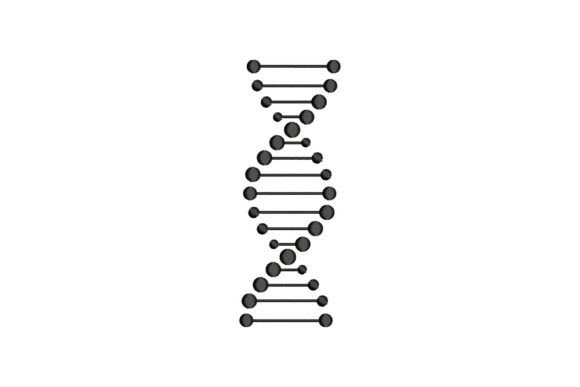
DNA Embroidery Design: A Whimsical Twist for Craft Fair Success
If you're preparing for a weekend craft fair or pop-up market, and your inventory includes embroidered tote bags, aprons, tea towels, and pillow covers, you know every design on your table needs to justify its space. It must catch a customer's eye from a few feet away, convey its charm instantly, and look excellent on the finished product. Today, I’m reviewing the DNA embroidery design from this perspective—as a professional embroidery designer looking at its potential as a craft fair product.
First Impression: Whimsical, Modern, and Instantly Recognizable
The product title, DNA, immediately sets a tone. This isn't a generic floral or geometric pattern. It's specific, clever, and carries a modern, slightly scientific whimsy. The description calls it a "touch of whimsy charm," which is accurate. This design feels smart-cute. It's decorative but not fussy, modern but not cold, and has a built-in narrative. For customers at a craft fair, that narrative—a love of science, biology, education, or simply a clever aesthetic—can be a powerful hook.
Visually, I imagine a stylized DNA double helix. For a handmade market product, this translates to a design that is bold enough to stand out but likely not overly dense or intricate. It should feel contemporary and would fit well alongside more modern minimalist designs rather than rustic or farmhouse styles. This gives it a niche advantage on a crowded craft fair table.
Where DNA Stands Out: Product Application Review
Let’s walk through the booth. You have a table of sample products. Where does the DNA embroidery file shine?
Tote Bags & Market Bags
A tote bag is a perfect canvas. The design becomes a focal point. For DNA, positioned centrally or on a lower corner, it creates a bag that appeals to teachers, students, science enthusiasts, or anyone looking for a gift with personality. It elevates a simple cotton tote from a utility item to a statement piece. The whimsical charm described makes it feel giftable.
Aprons & Tea Towels
For kitchen textiles, DNA adds a fun, modern twist. On an apron, it could be a delightful accent on a pocket or chest. On a tea towel, it becomes a decorative element that’s both functional and charming. It avoids the typical culinary themes, offering something unique for a home cook who wants their kitchen to reflect a broader interest.
Pillow Covers & Home Decor
This is a strong application. A small, repeated DNA motif on a pillow cover or as a single larger design on a throw pillow fits the "home decor items" category perfectly. It adds a touch of curated, intelligent design to a living space. It feels premium and intentional.
Caps & Patches
Caps are tricky due to curved surfaces, but a well-digitized DNA design can work if it’s not overly large. As an embroidered patch, DNA has fantastic potential. A patch is versatile—it can be sold as a standalone product or applied to a bag or jacket by the customer. This taps into a different buyer: someone looking for a badge of their interests. For an Etsy seller or boutique maker, patches are excellent low-cost, high-appeal items.
Small Pouches & Giftable Items
Small fabric pouches, needle cases, or tech sleeves with a discreet DNA motif become perfect small-ticket items. They’re quick to produce, easy to batch, and ideal for impulse buys at a fair. The design's inherent "charm" makes these items feel thoughtful and special.
Practical Production & Selling Points
Turning a digital embroidery file into a profitable craft fair product requires practical thinking.
Understanding at a Glance
DNA is instantly understandable. This is a huge advantage at a busy market. Customers don't need an explanation; they see the double helix and immediately grasp the theme. This speeds up engagement and decision-making.
Scale: Accent or Focal Point?
You must test this. Based on the description, it seems versatile. It could work as a small accent on a towel hem or as a larger focal design on a tote. For batch production, consistency is key. Choose one or two primary placements (e.g., center of tote, corner of towel) and standardize your process. This design likely feels repeatable for batch production because its appeal is consistent.
Photographing for Online Listings
For your Etsy shop or online store, DNA will photograph well. Its clear, symbolic shape pops against fabric. Use clean, contrasting backgrounds. Create a printable mockup for your listing images to show variety, but always include photographs of at least one real, stitched product. The handmade quality of real thread and fabric texture sells the product.
Booth Display Strength
In your booth, group DNA products together. A small display featuring a DNA tote, patch, and pillow creates a mini-collection that tells a story. This strengthens your brand consistency and helps customers who like the theme see all their options immediately, increasing the chance of multiple sales.
Careful-Use Notes for the Embroidery Designer
Before you stitch a single product for sale, do your homework. Here are critical professional checks:
- Test on Scrap Fabric: Always stitch the DNA design on the exact fabric you’ll use for production—whether it’s cotton canvas for totes, linen for towels, or twill for caps. Fabric texture changes everything.
- Check Thread Contrast: This design relies on clarity. Use thread colors that contrast strongly with your fabric. On dark fabric, consider a bright or light palette. On white, bold colors will shine.
- Review Stitch Density: The description doesn’t specify density, but look for any overly dense areas that might make fabric stiff or puckered, especially on lightweight items like tea towels.
- Confirm Hoop Size: Match the design size to a practical hoop size for your production. Smaller sizes might lose detail; larger sizes become more of a statement. Find the balance.
- Use the Right Stabilizer: Different products need different stabilizers. A tote bag might need a cut-away, while a tea towel requires a delicate tear-away. Don’t guess.
- Inspect Small Details: If the design includes tiny lettering or intricate helix details, ensure they remain clear at your chosen production size. They may get lost on textured towels or thick fabric.
- Create a Real Mockup: Before committing to batch production, make one perfect, finished product. This is your sample for the booth and your quality benchmark.
- Compare Fabric Colors: Offer the DNA design on a few different fabric colors at your fair. A classic white, a bold navy, a soft grey. Each changes the design’s mood and appeals to different customers.
- Confirm Commercial Licensing: The product category is "School" and type is "Embroidery," but you must verify that your digital embroidery file comes with a license for commercial use. Never assume. Selling finished products without this permission is a risk.
Final Judgment: Customer Attention & Product Value
The DNA embroidery design, from a craft fair seller’s viewpoint, is a high-potential niche product. It won’t be for every customer, but for the right customer, it will be a must-have. This targeted appeal is often more valuable than a generic design that everyone mildly likes.
It increases product value by adding a layer of meaning. A plain tote bag is $15. A tote bag with a clever, well-executed DNA embroidery design is $25–$30 because it’s seen as a designed, thoughtful object. It showcases your handmade quality through precise stitching.
For buyer engagement, it prompts conversation. "Oh, a DNA design! That’s so cool!" That moment of connection is where sales happen. It makes your booth memorable.
My advice: If you're an embroidery business owner or creative entrepreneur looking to diversify your craft fair table with something that feels fresh, modern, and intelligently whimsical, the DNA design is a compelling candidate. It’s versatile across products, instantly communicative, and carries a premium, giftable vibe. Do your production testing thoroughly, choose your best two or three product applications, and build a small, cohesive collection around it. It will carve out its own space on your table and attract a dedicated set of buyers, turning a clever digital embroidery file into a successful handmade product.