I Love Story Time Embroidery Design: A Hands-On Review
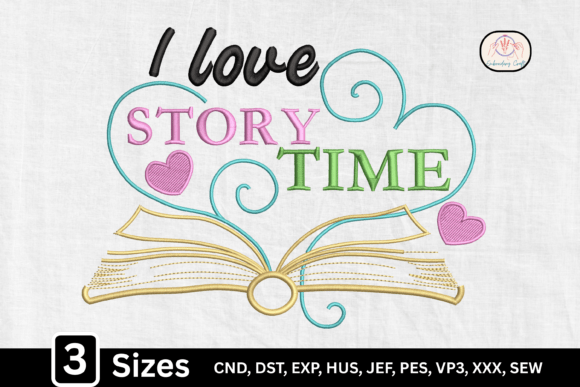
When I first unzipped the I Love Story Time, Reading Book Lover embroidery file, I smiled. This machine embroidery design lands with the kind of warmth that makes you want to stitch it onto everything in sight. The open book motif, paired with the playful swirls hinted at in the product description, feels both sweet and modern. It isn’t overly cutesy; it carries a quiet, classic charm that suits a wide age range. The mood is gentle, celebratory, and deeply personal—exactly what a personalized gift should feel like before it even reaches the recipient.
As a designer who tests every digital embroidery file on real customer orders, I immediately started imagining how I Love Story Time, Reading Book Lover would behave on a nursery blanket, a linen book bag, or a wedding keepsake pillow. The lettering, while delicate, has a storybook quality that invites close inspection. The overall composition feels balanced, not too dense, and the emotional appeal is undeniable. It’s the kind of design that makes a buyer pause and say, “That’s us.”
First Impressions: Sweetness You Can Stitch
Opening the file, the first thing I noticed was the thoughtful relationship between the graphic and the quote. The open book sits like a little heart, and the words “I Love Story Time” wrap around it with a rhythm that mimics a read-aloud session. The thread colors suggested in the mockup leaned toward soft pastels, but I could easily see this working in bold primaries for a children’s library corner or in metallic golds for a wedding gift. The stitch density appeared well managed—no overly bulky areas that would make stitching on a blanket embroidery project a nightmare.
For a small shop product, this design brings instant recognizability. The reading theme is universal, but the design itself avoids cliché. It feels handmade and intentional, not mass-produced. That’s a big win for Etsy sellers and craft fair vendors who want to build buyer trust through a consistent, heartfelt aesthetic.
Perfect Gift Products for This Design
After running a few mental mockups, I’ve mapped out the products where I Love Story Time, Reading Book Lover would truly shine. The versatility surprised me. Here’s where I’d confidently place it:
- Baby blankets and nursery décor – This is the most natural fit. The design’s softness makes it ideal for baby embroidery. A quilted cotton or plush minky backing would cradle the stitches beautifully.
- Kitchen towels and aprons – A personalized towel with this design becomes a charming housewarming gift for a book-loving family. On an apron, it adds a playful touch for a parent who reads while cooking.
- Pillow covers – A linen or cotton-linen blend pillow cover with this design in a reading nook instantly anchors the space. It’s a finished product that photographs wonderfully.
- Wedding keepsakes – Many couples build their love story around shared books. Stitched onto a ring bearer pillow or a guest book table runner, the design becomes a subtle wedding gift detail.
- Tote bags and book bags – Sturdy canvas totes are a dream for custom embroidery. This design turns a plain bag into a statement for library trips or teacher gifts.
- School-themed gifts – Since the product category is School, a back-to-school gift set for a teacher or a reading corner banner makes perfect sense. It’s a gentle nudge for young readers without being overly academic.
For Etsy sellers and handmade product creators, the key is to offer it as a customization option. Adding a name or a date beside the design instantly elevates it into a personalized gift that commands a higher price point. I can already see a printable mockup with a child’s name nestled below the book—parents eat that up.
Where to Tread Lightly: Fabric and Detail Challenges
Not every product is a perfect match, and I learned long ago that testing on scrap fabric saves heartache. With I Love Story Time, Reading Book Lover, there are a few situations where you’ll want to proceed with caution.
Small lettering is the first watchpoint. The quote is the soul of the design, but if you’re scaling it down for a tiny bib or a onesie, the letters might close up. Always test the hoop size you plan to use and check the stitch density after stitching. If the lettering looks tight, step up a hoop size or choose a smoother fabric.
Delicate details like the book’s pages or swirls can lose definition on textured fabrics. A thick terrycloth towel or a heavily napped blanket may swallow the finer lines. I’d recommend a low-pile embroidered towel or a tightly woven cotton for the crispest result. Stretchy baby clothes also demand care—use a strong cutaway stabilizer to prevent the open book from distorting on curved surfaces.
Dark fabric is another consideration. The design’s light, airy feel relies on contrast. If you stitch it on a charcoal or navy background, the book might blend in. Always test thread colors on both light and dark fabric mockups. Sometimes a single shade change, like swapping a pale pink for a soft coral, fixes the readability.
Finally, think about frequent washing. A baby blanket or tote bag will see the laundry. I’d add a layer of water-soluble topping on plush fabrics to keep the stitches from sinking, and I’d always include care instructions with the finished product. That simple step protects your reputation as a small shop product maker.
Boosting Giftability and Customer Trust
When a design carries emotional weight, it changes how a buyer perceives the whole piece. I Love Story Time, Reading Book Lover isn’t just a pretty picture; it’s a shared memory waiting to happen. That emotional connection translates directly into giftability. A customer shopping for a baby shower gift isn’t just buying a blanket; they’re buying the image of a parent reading to a child for the first time. That’s a powerful reason to choose this design over a generic floral or animal motif.
For wedding gift designers, the same logic applies. Stitch this on a set of linen napkins or a guest book cover, and you’ve captured a couple’s love of stories. The perceived value jumps well beyond the cost of materials. Handmade quality becomes synonymous with thoughtfulness.
Product photography also benefits. A pillow cover or blanket embroidery piece featuring this design photographs beautifully in natural light, with a stack of real books beside it. These images tell a story that stops a buyer mid-scroll. For Etsy sellers and digital product sellers, a printable mockup that shows the design in a cozy room setting can increase engagement instantly. I’ve found that lifestyle photography with this theme gets shared more often, which builds organic reach.
Customer trust grows when you walk them through the options. I always offer a quick “mockup preview” before stitching a custom embroidery order. It lets the buyer see the thread colors against their chosen fabric and confirms the hoop size. That transparency eases any worries about the final piece.
Practical Stitching Notes for Flawless Results
Before I ever put a machine embroidery design onto a customer’s product, I run through a checklist. Here’s how I’d approach I Love Story Time, Reading Book Lover based on what I see in the product description and my own stitching experience.
- Test on scrap fabric first. Use the same fabric and stabilizer you intend for the final product. This reveals any tension issues or thread breaks in the small details.
- Check thread color contrast. The design’s charm relies on clarity. If the book’s pages blend into the background, go up a shade or two in value.
- Confirm the hoop size. The product description doesn’t list exact dimensions, so measure the design in your software and choose a hoop that leaves at least an inch of clearance on all sides. Crowding leads to registration problems.
- Review stitch density. After your test stitch, run your finger over the design. If the lettering feels stiff or the fabric puckers, adjust the density in your software if the file allows, or switch to a lighter stabilizer.
- Use proper stabilizer. For a blanket embroidery or embroidered towel, a medium-weight cutaway on knits and a tear-away on wovens usually works. For plush items, add a water-soluble topper.
- Compare light and dark fabric mockups. Even if you plan to stitch only on cream, seeing the design on a dark swatch helps you appreciate the color balance. It’s a quick step that sharpens your eye.
- Check small details after stitching. The playful swirls and book edges can trap loose threads. Trim carefully around them with curved embroidery scissors.
- Confirm commercial licensing before selling finished products. The product description states it’s an instant download, but it doesn’t spell out the license terms. Always read the full listing details and reach out to the designer if you’re unsure. For a commercial embroidery venture, you need clear permission to sell items made with the file.
These steps aren’t complicated, but they make the difference between a professional finished product and a piece that looks homemade in the wrong way.
Why This Design Earns a Spot in Your Shop
After spending time with I Love Story Time, Reading Book Lover, I’m convinced it belongs in the rotation of any handmade product seller who courts the reading, baby, and wedding markets. It’s not a seasonal flash-in-the-pan; it’s a theme that stays relevant year-round. The School category adds a slight back-to-school angle, but the design’s appeal is much broader. It’s for anyone who has ever snuggled up with a good book and a small listener.
The embroidery file itself, based on the product description, appears clean and ready to load. Without the exact stitch count or format details publicly listed, I’d advise you to open it in your preferred editing software and give it a thorough look before ordering. The lack of stated hoop size means you’ll need to measure, but that’s standard practice for many digital embroidery file purchases.
What you’re really buying here is a mood: the joy of story time, captured in thread. When you stitch it onto a personalized gift—a baby blanket for a new arrival, a kitchen towel for a grandmother who reads to her grandkids, a tote bag for a teacher—you’re not just decorating fabric. You’re stitching a little invitation to pause, sit down, and read together. That’s the kind of finished product that sells itself, and it’s the reason I’ll keep this design in my library for a long time.