ITH Bookmark – Redwork Fill: A Sweatshirt Embroidery Review
First Impressions of the Redwork Fill Design
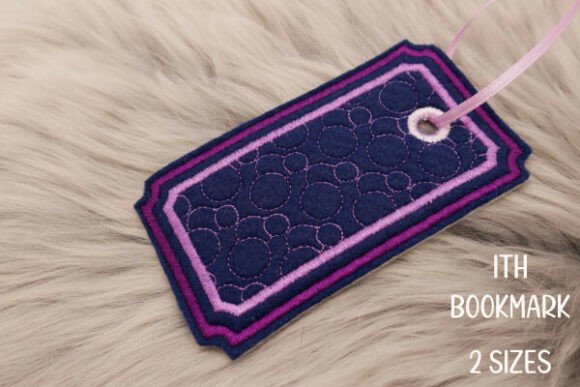
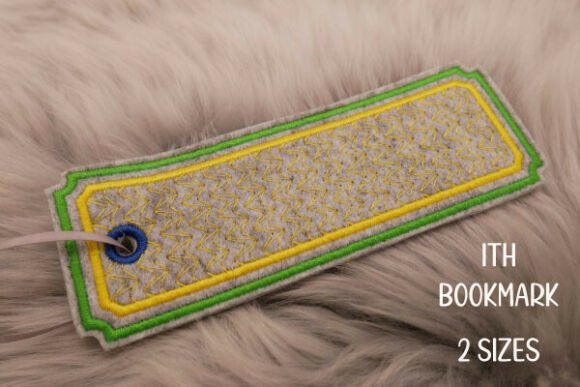
When I opened the digital embroidery file for the ITH Bookmark – Redwork Fill, my mind immediately went to apparel. The soft, abstract linework fill is elegant and subtle, with a flowing rhythm that feels almost hand-drawn. It’s called a bookmark, but the aesthetic is so versatile that I couldn’t help picturing it on a cozy sweatshirt. The design relies on simple running stitches, which gives it a light, airy texture. There’s no heavy satin or dense fill, just a delicate network of lines that would sit gently on fabric without stiffening it. That’s exactly what you want for a boutique garment that needs to look refined and feel comfortable.
The mood reads as minimal and modern, with a touch of rustic charm because of the redwork style. Even though it’s categorized under School, the artwork transcends that label. It could be a whimsical bookmark for a student, but on a sweatshirt it becomes a decorative accent that feels intentionally artistic. The first thing I noticed was how the abstract shapes would catch the eye without being too loud, making it perfect for a brand that values understated detail.
Why This ITH Bookmark Translates to Apparel
You might wonder why I’d consider a design originally intended for felt, vinyl, or cork for a sweatshirt project. The answer lies in the stitch structure. The ITH Bookmark – Redwork Fill uses a redwork-inspired technique, meaning it’s all about graceful running stitches. That’s a huge advantage for apparel because it creates a soft, flexible finished product. Heavy designs can turn a cozy sweatshirt into a stiff board, but this one moves with the fabric. The abstract linework won’t crack or distort when the wearer stretches or bends, which is critical for a boutique brand that wants its pieces to last.
Also, the scale is adaptable. While the original file is optimized for a bookmark shape, many machine embroidery designs can be resized within reason, or you can place the existing design as a pocket accent or a small chest logo. The subtle elegance of the linework means it doesn’t scream “bookmark” on a garment. Instead, it reads as a custom art piece, the kind of detail that turns a blank sweatshirt into a story-driven product.
Placement Possibilities on Sweatshirts and Hoodies
For a limited sweatshirt drop, I’m exploring several placement options. The ITH Bookmark – Redwork Fill is narrow and elongated, which makes it a natural fit for certain areas:
- Chest pocket mimic: Stitch it on the left chest where a pocket would be. The vertical orientation gives the illusion of a decorative pocket without the bulk.
- Sleeve accent: On a raglan sleeve or just above the cuff, this design adds a subtle designer touch. It’s unexpected and elevates the whole garment.
- Back yoke or nape: A small placement at the upper back, between the shoulders, feels exclusive and intimate. It’s the spot people notice when you walk away.
- Oversized hoodie center front: On a roomy hoodie, you can stitch it slightly off-center for an avant-garde look, or centered just below the collar for a delicate statement.
Each of these placements works because the design is unobtrusive. The running stitch fill won’t weigh down the fabric, and the abstract nature means it doesn’t have a strict orientation—you can even rotate it slightly for an organic feel.
Color and Fabric Pairings: From Neutral to Playful
Since the ITH Bookmark – Redwork Fill is all about linework, thread color choice becomes the main design tool. Here’s how I’d approach it for a boutique sweatshirt collection:
- Neutral fabrics (oatmeal, cream, heather grey): Use a single bold thread color like terracotta, deep burgundy, or dusty rose. The redwork heritage shines here, and the contrast is striking without being aggressive.
- Dark fabrics (black, charcoal, navy): Opt for metallic gold, copper, or a muted olive thread. The stitches will glow against the dark background, creating a luxurious, premium look.
- Pastel colors (lavender, mint, blush): Match with a slightly darker shade of the same hue for a tone-on-tone effect. That’s very on-trend and gives a soft, feminine, almost ethereal finish.
- Bold or bright sweatshirts: Keep the thread neutral—white, cream, or light grey. The abstract lines will become a graphic element that balances the vibrant base.
Fabric texture matters too. A smooth French terry sweatshirt will show the fine details clearly. Looped-back fleece or a heavily brushed interior shouldn’t affect the embroidery surface, but you need to test stitch density. The running stitch design is light, so it might sink into a very plush fabric. A topper can help, but I’ll cover that in the practical section.
Stitching Details and Practical Production Concerns
When I’m reviewing a machine embroidery design for commercial apparel use, I go deep into the technical side. The ITH Bookmark – Redwork Fill is described as easy to stitch using simple running stitches, which is great for production speed. But sweatshirts are thicker and stretchier than felt or vinyl, so a few adjustments are vital.
Stabilizer is Non-Negotiable
For any sweatshirt embroidery, I use a cutaway stabilizer. The knit fabric needs permanent support to prevent distortion over time. A tear-away might work for a one-time craft fair item, but for a boutique brand that wants repeat customers, cutaway is the only choice. I’d hoop with a medium-weight cutaway and float a piece of tear-away under the hoop if the fabric is very lofty. The running stitches in this design won’t create a high stitch density, so the risk of tunneling is low, but the stabilizer still prevents the design from pulling out of shape.
Thread Color Contrast and Readability
Because the design is an abstract linework fill, you need to ensure the thread stands out enough. Test on a fabric scrap before committing to a full run. If the sweatshirt material is heavily textured or has a high pile, the stitches might disappear. A water-soluble topper can keep the stitches on top of the nap, and you just rinse it away after. I’ve done this many times on fleece hoodies and it works beautifully.
Small-Size Readability
The description doesn’t specify exact dimensions, but if the design is intended for a bookmark, it’s likely a few inches tall. That’s a great size for apparel accents. If you try to shrink it dramatically, the abstract lines might become too crowded and lose their charm. Always test the stitch-out at the exact size you plan to use. Since it’s running stitches, there’s no risk of a dense fill turning into a bulletproof mess, but fine lines can break if the stitch length becomes too short. I’d stick close to the original dimensions or size down only slightly.
Hoop Placement and Registration
For a sweatshirt, hooping can be tricky because of the bulk. I like to hoop the stabilizer alone, then float the garment on top using basting stitches or temporary adhesive. This method avoids hoop marks on the fabric. The ITH Bookmark – Redwork Fill is an in-the-hoop (ITH) design originally, meaning it’s meant to be stitched in a single hooping as a finished bookmark. When adapting for apparel, you aren’t making a standalone piece; you’re stitching directly onto the garment. So you’ll treat it like a regular embroidery design, not a freestanding one. That means you omit any steps that would create a separate backing, and you just stitch the decorative layers. Check the file sequence to see if there are any steps you need to skip.
Washing Durability
Running stitches are inherently durable because they don’t have long thread spans that can snag. However, because the design is open and airy, loose threads are possible if the machine tension isn’t perfect. I always do a wash test on a sample. Use high-quality polyester thread for garments that will be washed frequently. Cotton thread can give a more authentic redwork look, but it fades faster. For a boutique brand, I’d go with a matte polyester thread that mimics cotton but holds up to laundering.
Commercial Value for Boutique Brands
Using the ITH Bookmark – Redwork Fill on a sweatshirt can elevate the perceived value of the product. The design is elegant and subtle, which appeals to customers looking for something that feels handmade but not homespun. It’s the kind of detail that makes a sweatshirt look like a curated piece instead of a blank with a logo slapped on. For a small shop or Etsy seller, this design can become a signature style. Because it’s abstract, it’s not tied to a specific trend or season, so your inventory won’t feel dated quickly.
From a branding perspective, the redwork linework is distinctive. If you use the same ITH Bookmark – Redwork Fill across multiple products—maybe a matching beanie, a tote bag, and a sweatshirt—you create a cohesive collection. The School category might even inspire a back-to-school themed line, but the design is versatile enough to work year-round. The running stitch texture also photographs beautifully for mockup previews and lifestyle product photography. The subtle shadows created by the lines add depth without overwhelming the image.
For Etsy sellers, a detailed listing that mentions the artistic redwork technique and the soft, wearable finish can justify a higher price point. Customers are willing to pay more when they understand the craft behind the embroidery. And because the stitch is light, it doesn’t add much production time, so your profit margins stay healthy.
Things to Check Before You Stitch for Apparel
Since the product description doesn’t include exact stitch count, hoop size, or file format, you’ll need to verify these details before ordering or downloading. Not all ITH designs are suitable for direct garment application, so confirm the following:
- Hoop size: Ensure the design fits your embroidery machine’s hoop, especially if you plan to stitch on a finished sweatshirt where you can’t easily rehoop. A design that requires a large hoop might limit placement options on a small sweatshirt.
- File format: Make sure the digital embroidery file is compatible with your machine (PES, DST, JEF, etc.).
- Stitch sequence: Check if the design includes any finishing steps meant for a freestanding bookmark. You may need to edit the file or simply stop the machine before those steps.
- Copyright and commercial use: If you plan to sell finished products with this design, verify that the license allows commercial embroidery on items for resale. Many digital designs are for personal use only unless you purchase a commercial license.
- Test on similar fabric: Always run a sample on a scrap of the same sweatshirt material. This tests not only how the design looks but also how the stabilizer works and whether the thread blends or pops.
Taking these precautions ensures that the ITH Bookmark – Redwork Fill becomes a reliable asset in your boutique collection, not a source of frustration.
Final Thoughts on the Design’s Personality for Apparel
After reviewing the ITH Bookmark – Redwork Fill from every angle, I’m convinced it can shine on a sweatshirt. It’s minimal but not boring, decorative but not fussy. The abstract linework gives it a modern, artistic edge that feels premium. It’s suitable for a feminine, romantic brand as much as a rustic, earthy one, depending on thread color and placement. The fact that it’s easy to stitch means you can produce consistent results across a small batch, which is essential for a boutique brand building trust with its customers.
If you’re a small shop owner, a handmade business, or an Etsy seller looking for a design that offers visual recognition without being loud, the ITH Bookmark – Redwork Fill is worth a serious look. Just remember to adapt it thoughtfully for apparel, choose your stabilizer and thread wisely, and you’ll end up with a finished product that feels intentional and beautifully crafted.